Blue Lagoon: A Script Font for Editorial Design and Branding
A Handwritten Touch with Structure
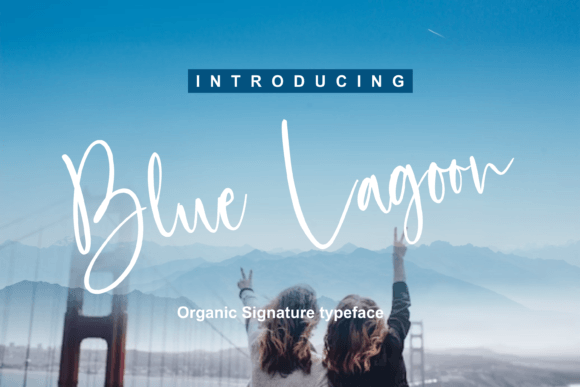
Blue Lagoon is a unique script font that blends the charm of handwritten lettering with the clarity of structured typography. Designed using a ballpoint pen on calendar paper, this typeface features distinctive unstructured strokes at the ends of letters, giving it a natural and organic feel. Its personality is both elegant and approachable, making it ideal for editorial design where readability and visual appeal are equally important.
Visual Personality and Editorial Appeal
The character of Blue Lagoon lies in its balance between formality and informality. It’s not overly decorative, which makes it versatile for various editorial applications. The unstructured strokes add a subtle flair without overwhelming the reader, ensuring that the message remains clear and engaging. This font brings a sense of warmth and authenticity to any publication, whether it's a lifestyle blog or a professional magazine.
Its visual tone is modern yet timeless, fitting well within contemporary design trends. The structure of the letters allows for easy legibility, even in larger sizes, which is crucial for headlines and pull quotes. This makes Blue Lagoon an excellent choice for creating attention-grabbing headers while maintaining a cohesive look throughout the publication.
Applications in Editorial Design
Blue Lagoon is highly adaptable and can be used across a wide range of editorial layouts. For instance, it works beautifully as a headline font in blog posts or magazine covers. Its script style adds a touch of sophistication to titles, helping them stand out from the rest of the content. When paired with a clean sans serif or serif font for body text, Blue Lagoon enhances visual hierarchy and guides the reader through the content seamlessly.
In newsletter graphics and quote layouts, Blue Lagoon can serve as an accent font, adding a stylish element to otherwise straightforward designs. It’s also effective for chapter openers in ebooks or printable guides, where it can set the tone for the content that follows. The font’s versatility extends to branding elements such as logos, social media headers, and website banners, where it can help establish a strong brand identity.
Readability and Practical Considerations
While Blue Lagoon has a distinct personality, its readability should not be overlooked. It performs well in both digital and print formats, making it suitable for screen reading, PDF exports, and mobile layouts. However, it’s important to consider the context in which the font is used. For longer blocks of text, it may be better to pair it with a more readable serif or sans serif font to ensure clarity and comfort for the reader.
When using Blue Lagoon in print materials, such as brochures or magazines, its stroke variation adds visual interest without sacrificing legibility. On digital platforms, it works well in headings and subheadings but may require careful sizing and spacing to maintain its intended effect. Testing different weights and styles can help optimize its performance in various contexts.
Font Pairing and Design Flexibility
Pairing Blue Lagoon with complementary fonts can elevate the overall design. For example, pairing it with a modern sans serif like Montserrat or a classic serif like Georgia creates a balanced contrast that enhances readability. In web design, using Blue Lagoon for navigation menus or call-to-action buttons can make these elements more visually appealing and interactive.
For digital publications, combining Blue Lagoon with a clean, readable body font ensures that the content remains accessible while still maintaining a strong visual identity. In packaging design or social media graphics, the font’s script style can help create a cohesive aesthetic that aligns with the brand’s messaging.
Commercial Licensing and Use Cases
Blue Lagoon is a commercial font, making it suitable for use in paid newsletters, client publications, and digital downloads. Its licensing includes support for a variety of use cases, such as ebooks, templates, printables, and course materials. This flexibility means that creators can confidently incorporate Blue Lagoon into their projects without worrying about compliance or restrictions.
Whether you're designing a lifestyle blog, a recipe ebook, a wedding guide, or a coaching workbook, Blue Lagoon offers a unique way to enhance your content. Its ability to adapt to different formats and audiences makes it a valuable asset for anyone involved in editorial design or content creation.
Conclusion
Blue Lagoon is more than just a script font—it’s a tool for storytelling and brand expression. With its elegant design and practical usability, it supports a wide range of editorial needs while maintaining a consistent and professional look. By understanding how to best use this font in your work, you can create content that resonates with readers and strengthens your brand identity.